Latest insight

Biocidal Products Regulation

Share To Social Media

Welcome Back to the BPR Series – Part 2

In the first article, we introduced the Biocidal Products Regulation (BPR), explained what defines a biocide, how Article 95 works, what a Competent Authority is, and how Product Type (PT) groups help determine product classification. We also looked at a practical PT2 example. 

Now let’s look at two more scenarios and build on our understanding. 

Using PT Groups: An Example for PT 1

Let’s say you’re developing a hand sanitiser. The product is non-rinse, with the primary purpose of disinfecting skin, claiming to kill 99.99% of bacteria and viruses. There are no secondary cosmetic claims, and it is not intended for clinical use to control the spread of a specific disease. 

This intended use aligns with the description of a biocidal product rather than a cosmetic or medical product. Its purpose fits under Product Type (PT) 1: Human Hygiene, which covers biocidal products intended for personal disinfection. 

If this product is being sold in GB, you’ll need to reference GB Article 95. By filtering the Article 95 list for PT 1, you can identify the active substances approved for use in human hygiene products, ensuring compliance with GB BPR regulations. 

This approach ensures your product meets regulatory standards while maintaining its intended purpose. Always check Article 95 to stay compliant! 

Example Dog Shampoo Brief

You have been briefed to produce a dog shampoo which repels ticks and fleas. 

What regulation applies here? The answer lies in understanding intended use, claims, and compliance. 

First and foremost, dog shampoo is not a cosmetic product. Cosmetic regulations are explicitly defined for products intended for human use, and the fact that a human handles the shampoo during application does not change the intended purpose of the product, which is for use on animals. 

a banner of pink circles each including an image of dogs being washed with shampoo

Such a product must comply with: 

  1. Biocidal Products Regulation (BPR) – The tick and flea repellent claims place the product under PT19 (Repellents and Attractants). Active ingredients must be listed on Article 95 and approved or under review for PT19. If the active is approved, a dossier submission is required before the product can be placed on the market. 

  2. Detergent Regulations – As a product designed to clean, the shampoo also falls under detergent regulations, which ensure appropriate labelling and formulation compliance. 

  3. CLP Labelling – Proper classification and hazard labelling are compulsory, including any required pictograms and safety information. 

The Takeaway: Dog shampoos are not cosmetics—they are detergent products and, in cases of repellent claims, biocidal products. Compliance with BPR, detergent regulations, and CLP labelling is mandatory to ensure safety, truthful claims, and regulatory alignment. Misclassifying such a product as a cosmetic to avoid these requirements is both non-compliant and potentially misleading. 

Preserving a pH Neutral Multi-Surface Cleaner

Scenario: 
To date, all your products have been either acidic or alkaline in nature and did not require preservatives due to their inherent properties. However, you’ve now been tasked with producing a pH-neutral multi-surface cleaner, which will require preservation. 

You recall having used a preservative for a hand soap previously — can this be used for the new cleaner? 
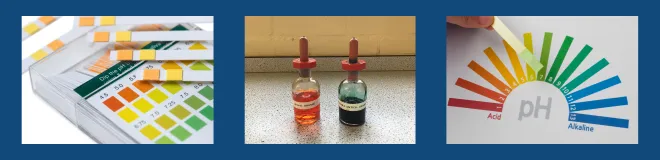
3 images of PH scale examples

Key Steps to Address the Issue: 
Check the Active Substance: 
Determine the active ingredient in the preservative used for your hand soap. For this scenario, assume it’s Phenoxyethanol. 

Verify BPR Compliance: 
Since the multi-surface cleaning product is not biocidal, the in-can preservative must comply with Article 95 and be listed under Product Type 6 (PT6). Phenoxyethanol is included on the relevant list, but your supplier is not visible there. 

Contact Your Supplier: 
If your supplier is a distributor, they may be sourcing the material from a manufacturer who is on the Article 95 list. Request documentation to confirm that the preservative is compliant for PT6. 

If Not Listed: 
If the material or supplier is not compliant, explore alternatives: 

Be Aware of Cosmetics Exemptions: 
It’s important to note that cosmetic products fall under separate regulations and are exempt from Article 95 requirements. Many preservatives acceptable under cosmetic regulations may not appear on the Article 95 list. Detergent regulated products are not cosmetics and often suppliers’ cosmetic preservatives will not be regulatory supported for use in different industries such as HI&I. 

Even though this product is not a biocide, the preservative used must be a biocide and compliant with the BPR regulations. This is a common mistake made by formulators who come from a personal care background. 


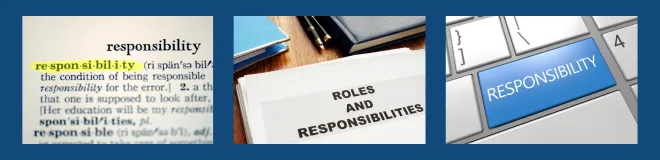
Responsible Person for Biocidal Products

To legally place a biocidal product on the market, you must have a responsible person, referred to in the regulations as the Biocidal Product Authorisation Holder

3 images highlighting the word responsibility

Key Points: 
• The authorisation holder ensures the product complies with regulatory requirements, including safety, labelling, and dossier maintenance. 
• They must be based in the EU or Great Britain, depending on the market, and are held accountable by the competent authorities. 
• Without an authorised holder, the product cannot be legally sold. 

Important Note: 
If you’re based in GB and want to sell in Ireland, you’ll need an EU-based responsible person to handle compliance, as you cannot act as the authorisation holder for EU markets from GB. 
 

Borders with Other Laws

When developing and marketing biocidal products, it’s essential to ensure that your product stays within the scope of the Biocidal Products Regulation (BPR) and does not cross regulatory borders, requiring authorisation under different laws. Misaligned claims can inadvertently reclassify your product under entirely different regulations. 

3 images of a book saying regulatory compliance.

Examples of Regulatory Borders: 
Medicinal Products: 
A product claiming to prevent disease by killing disease-causing organisms when used topically on the skin would be classified as a medicinal product, not a biocide. 

Veterinary Medicines: 
A product designed to kill germs in and around animal bedding would be classified as a biocide. However, if the product is intended for direct use on the animal, it would fall under veterinary medicine regulations. 

Plant Protection Products: 
A path and patio cleaner claiming to kill moss would require approval under the GB Plant Protection Products Regulation (PPPR) rather than BPR. 

Key Takeaway: 
When formulating and marketing biocides, ensure your product claims align with BPR regulations. Avoid inadvertently positioning your product as a medicinal, veterinary, or plant protection product by carefully reviewing claims and intended uses. Correct classification is critical to avoid non-compliance. 


Understanding the COPR Regulation

The Control of Pesticides Regulations (COPR) governs the authorisation and use of certain pesticides in Great Britain. While much of COPR’s scope has been replaced by the Biocidal Products Regulation (BPR) and Plant Protection Products Regulation (PPPR), it remains relevant for specific products that have yet to transition to newer regulations. 

a banner of pink circles each containing a pesticide bottle images

Key Points of COPR: 

  1. Scope of COPR: 
  1. Product Authorisation: 
  1. Label Compliance: 
  1. Transition to New Regulations: 
  1. Enforcement: 

Why It’s Important: 
COPR ensures older pesticide products remain safe and effective as regulatory systems evolve. If your product is still regulated under COPR, it’s essential to maintain compliance until it transitions to BPR or PPPR. 

For further guidance, consult the HSE Pesticides and Biocides Guidance or reach out to HSE directly. 


What Does DEFRA Do?

The Department for Environment, Food and Rural Affairs (DEFRA) oversees critical regulations related to public health, agriculture, and the environment, complementing the Biocidal Products Regulation (BPR) in specific situations. DEFRA plays a significant role in managing products used during public health emergencies and agricultural biosecurity crises, amongst many other things. 

3 images of farming fields, housing and tractor

DEFRA’s Role in Outbreaks 
During outbreaks of notifiable animal diseases or zoonotic diseases (e.g., tuberculosis, avian influenza, or foot-and-mouth disease), only DEFRA-approved disinfectants can be used. These products undergo additional testing to ensure they meet the claims required for such outbreaks. 

Where DEFRA-Approved Disinfectants Are Used: 
• Animal Housing: Disinfecting infected barns, pens, or livestock facilities. 
• Farm Equipment: Sanitising tools and machinery in contaminated areas. 
• Vehicles: Cleaning livestock transport or farm vehicles exposed to pathogens. 
• Foot Dips: Using disinfectant baths to prevent pathogen spread via footwear. 

DEFRA vs BPR Approval 
DEFRA-approved products are fully compliant with BPR requirements but have undergone additional testing to ensure effectiveness against specific pathogens involved in disease outbreaks. 

How to Ensure Compliance 
A list of DEFRA-approved disinfectants is available on their website, which is an excellent resource to confirm if the product you are using meets the necessary regulatory and performance standards. 

Key Takeaway 
DEFRA-approved disinfectants offer reassurance that the product is both BPR-compliant and tested to perform effectively in critical outbreak scenarios. Always verify your disinfectant against DEFRA’s approved list to ensure compliance and efficacy during notifiable disease outbreaks. 


Understanding Active Substance Approval Status

Under the Biocidal Products Regulation (BPR), the status of an active substance determines whether it can be legally used in a biocidal product. Beyond approved and under-review statuses, some substances may no longer be viable for use. Here’s a breakdown: 

3 images showing approved stamps

Key Active Substance Statuses: 

  1. Approved: 
  1. Under Review: 
  1. Cancelled or Expired: 
  1. Not Approved: 

How to Stay Compliant: 
• Check the status regularly using official lists from regulatory bodies (e.g., HSE for GB, ECHA for the EU). 
• Plan for transition by reformulating or phasing out products containing substances no longer supported, cancelled, or expired. 
• Use only active substances from suppliers on the Article 95 list to ensure regulatory backing. 

Key Takeaway: 
The approval status of active substances is crucial for regulatory compliance. Products containing substances that are not approved, no longer supported, or expired must not be marketed. Stay informed to keep your products compliant and market-ready. 

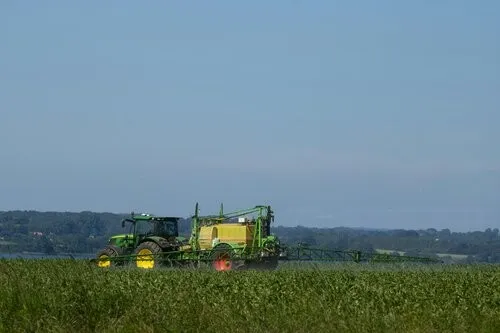
A tractor firing pesticides onto its fields

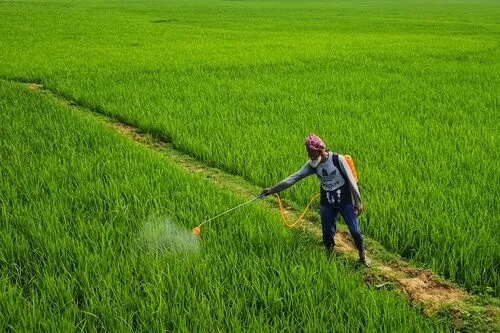
Man spraying pesticides onto farming field

Find Out More

For more information on Biocidal Products Regulation, please contact us or send us an email at info@surfachem.com

Discover more about our expertise and how we can help you:

Surfachem | Biocide Product Regulation

Surfachem | BPR Formulation Support

Surfachem | New Great Britain Biocidal Products Regulation - What It Means for Biocide Producers

Surfachem | Biocides & Coronavirus | FAQs

Surfachem | Biocidal Products Regulation

Sunday, 10 November 2024

Back